Bodily Fluid Cleanup
Bodily fluid cleanup removes fluids and disinfects affected areas in businesses, homes and care settings.
See bodily fluid cleanupGet blood, bodily fluids, human waste, sharps and contaminated materials removed from a jail, holding cell, booking room or detention area in Enderly Park after authorized staff release the space.
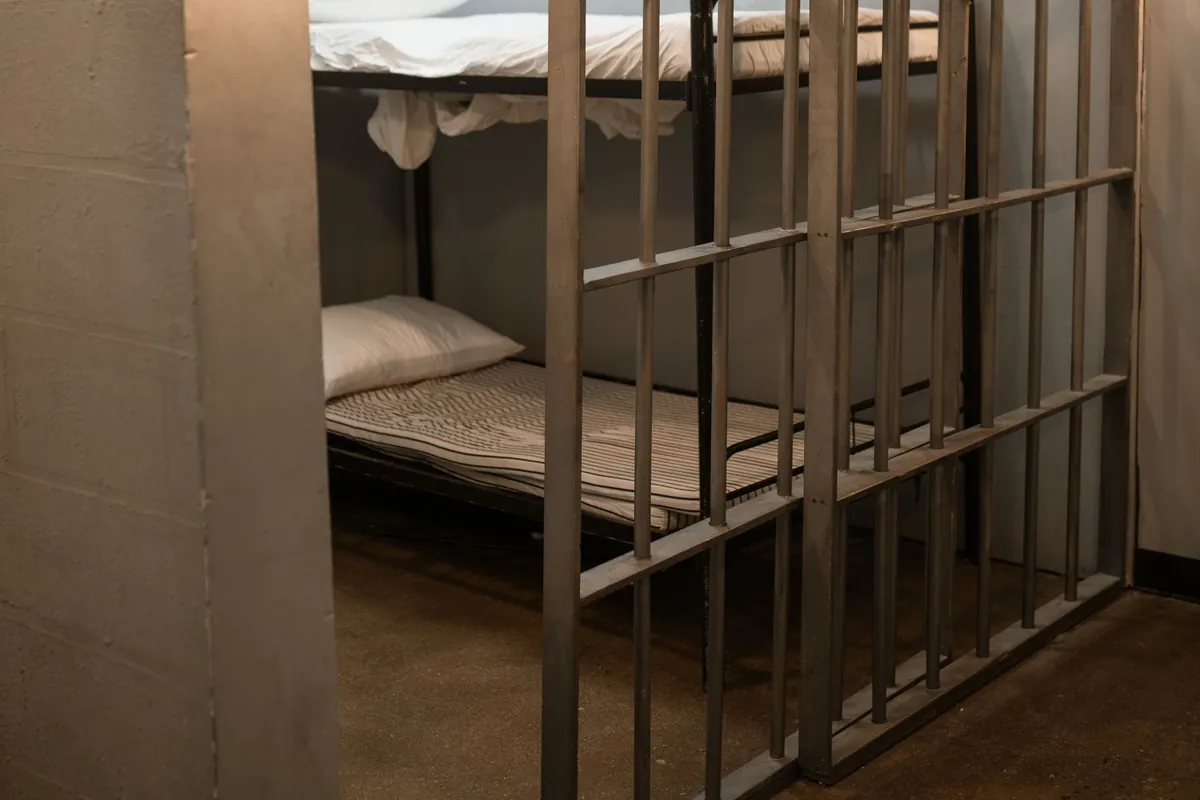
Jail and holding cell cleanup is the controlled removal of blood, bodily fluids, human waste, sharps and other contaminated materials from cells, booking areas, interview rooms and related secure spaces, followed by cleaning, disinfection and odor treatment.
Before cleaning starts, the facility confirms that the affected space has been released from any active investigation. Keys, occupant movement and entry remain controlled by correctional staff. The technician's scope includes both the original area and nearby surfaces that shoes, fluid or equipment may have contaminated.
Unlike routine janitorial work, remediation requires cleanup technicians to wear protective equipment. They establish separate clean and contaminated areas, discard material that disinfection cannot reach, and keep an EPA-registered disinfectant wet for the complete label contact time. Sharps and hazardous waste are packaged into the proper waste streams according to applicable rules.
Property owners, facility records and insurance companies may be supported by scope documentation, available waste paperwork and allowed photos.
You receive a clear scope that explains which cleaning services are included, from removal and disinfection to odor work and waste disposal, before the affected area returns to use.
Every situation has different access points, escort rules, restricted times and movement limits. Sharing those details helps your facility plan the work around its security needs.
Items held as personal property or marked as evidence remain where they are until your authorized representative gives direction.
When contamination reaches absorbent materials or exceeds a normal custodial spill, professional cleanup is needed. Examples include:
When hard surfaces or absorbent items such as bedding contain feces, the process includes controlled removal plus cleaning, disinfection and odor removal.
Once authorized staff complete evidence work and release the area, biohazard remediation may be needed in a cell, booking space or interview room.
A larger event may affect a corridor, common area, transport path or several cells and require a phased cleaning process.
Blood after an injury, altercation or medical event can reach bunks, walls, floor joints and hardware. Assess nearby routes contamination may have followed along with the visible area.
Before cleanup technicians come into the area, these initial steps help preserve evidence, protect staff and prevent contamination from spreading:
Call (888) 440-9227Jail-specific cleanup pricing is not available in credible published guides. General biohazard cleanup comparisons put the residential average between $1,800 and $4,500 for residences. They show $3,000 to $5,000 as a typical national range. The guidance places most residential projects within the $2,500 to $8,000 range and shows a full span from $1,500 to $25,000 overall. These amounts do not set a jail cell price. Facility pricing follows an assessment of the scope.
These national ranges are taken from published cost guides, rather than a property visit. You learn what your property will cost after the on-site assessment and before any work begins.
Ask about cost: (888) 440-9227The facility usually arranges payment, unless its responsible operating entity does so, whether that entity is public or private. How payment works depends on the incident, the property, contract terms and insurance terms.
Responsibilities may differ among a building owner, private operator, municipality and county. The governing contract and facility policy determine who authorizes payment.
Retain the approved scope, incident number, permitted completion photographs and waste documentation. For insurance assistance, ask which records the insurance company can receive while protected information stays confidential.
The administrator or purchasing contact can identify the approved work order, purchase order or emergency procurement path for the location.
If the incident could involve insurance, report it, record the claim number and find out what waste paperwork, photos and scope documentation must be submitted.
Facility security needs and the contamination involved shape the cleanup plan. Throughout the job, the affected space should remain divided from clean areas, and each completed task should be clearly documented.
With the facility contact present, technicians inspect the released area for visible contamination and possible transfer routes while avoiding potential evidence.
A boundary for the work is established within the secure space. The fluids, sharps and materials in the area determine which protective equipment technicians use.
Needles and other sharps go directly into approved puncture-resistant containers. Loose contaminated waste is collected without compressing bags by hand.
Bedding, unfinished wood, damaged wall material and other porous items are removed when contamination has soaked in and full disinfection is not possible. Any necessary restoration services or repairs receive a separate scope once biohazard cleaning is complete.
Visible soil must first be removed from solid surfaces. Next, an EPA-registered disinfectant is used, with the surface kept wet for the entire contact period on the label.
After the source is gone, equipment such as HEPA air scrubbers or hydroxyl generators may be used when the assessment shows an air treatment need.
The required disposal procedure includes closing, labeling and moving all waste containers. Any records that are available can be added to the facility's incident documentation.
All affected areas are checked for soil, missed surfaces and cleaning residue left behind. A designated facility contact verifies the finished scope before allowing the room back into use.
Call at any time. A specialist in jail and holding cell cleanup takes your call, explains each step and agrees on a start time with you.
Hidden sharps, bodily fluids, blood and human waste may put occupants, correctional staff and the person cleaning the space at serious health risk.
Blood can carry HIV, hepatitis C or hepatitis B. According to the CDC, hepatitis B remains viable on surfaces for at least seven days, which means dried blood needs careful cleaning and disinfection.
A small secure room can hold strong odor, especially when waste reaches bedding, grout, floor joints or drains. Removing the source comes before air treatment.
Bodily fluid may travel beneath fixed bunks, behind fixtures and inside floor joints. Restraints, footwear or carts may carry fluid to surrounding areas, including spaces that appear clean.
Can you clean it yourself? Who is permitted to clean a minor spill depends on facility procedure. Minimum safety needs are suitable protective gear, enough wet contact time, and an EPA-registered disinfectant. Call for professional cleanup when contamination is widespread, hidden, mixed with sharps or absorbed into porous material.
Hard surfaces without pores may often remain after they are cleaned and disinfected. Materials with pores must be removed if absorbed fluid lies beyond the reach of cleaning.
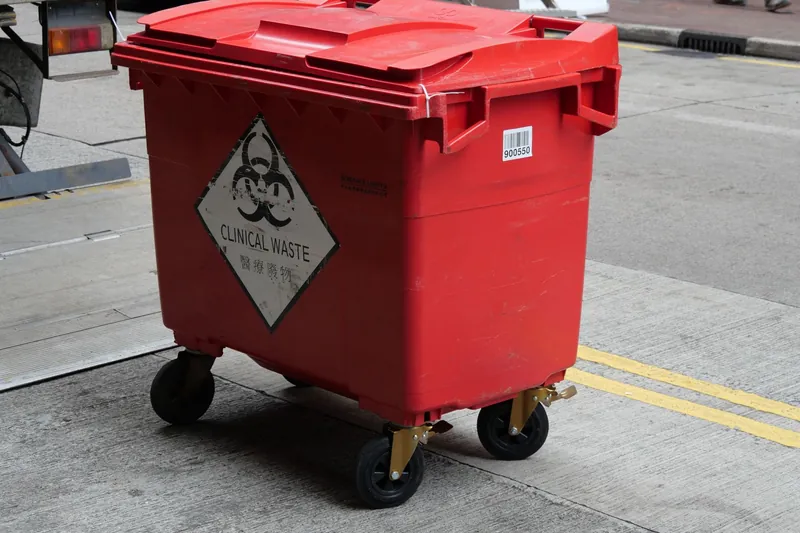
The duration varies with the number of affected areas, access for security, material types, waste volume and the need for odor treatment. After an assessment of the released area, the cleanup team can establish the work window.
| Scene | Typical time on site |
|---|---|
| One cell with hard-surface contamination | Work window set after assessment |
| Porous material removal from one cell | Longer than hard-surface cleaning |
| Common areas and corridors, or several cells | Often planned in secure phases |
Effective odor removal starts with locating the source and taking it away. Residue in drains or floor joints, human waste, affected bedding and bodily fluids need attention before deodorizing equipment is used. Covering the smell with fragrance does not clean the contaminated area.
The room receives another check once cleaning and disinfection are complete. If appropriate for that space, hydroxyl equipment may reduce odor that remains, while HEPA air scrubbers can collect particles from the air. Nearby surfaces and ventilation covers are inspected because leftover residue may continue to affect air quality.
The full jail and holding cell cleanup guide covers what is cleaned or removed, odor and air quality work, and the rules that apply in North Carolina.
Read the full jail and holding cell cleanup guideContainment, entry and cleanup plans can be influenced by local housing, population and access details.
Knowing that Novant Health Presbyterian Medical Center is about 2.6 miles away helps households plan where to seek care before arranging scene cleanup.
Nearby communities include Ashley Park, Camp Greene, and Seversville, useful geographic references when explaining a property location to a cleanup crew.
A neighborhood address can differ from its broader city label, making the full street and unit information important for discreet cleanup access.
Your phone conversation can include questions about service in nearby ZIP codes and communities.
Bodily fluid cleanup removes fluids and disinfects affected areas in businesses, homes and care settings.
See bodily fluid cleanup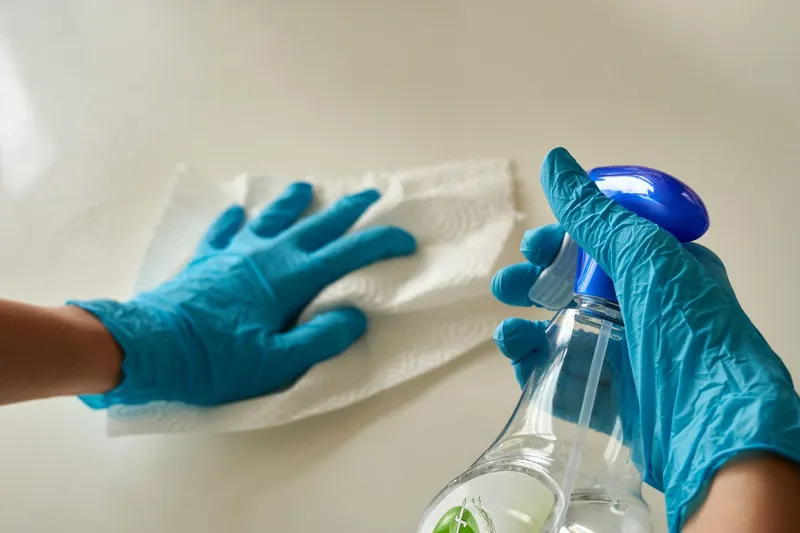
Carpet, solid floors, walls and furnishings receive blood cleanup that includes safe disposal.
See blood cleanup
Rentals, residences and public bathrooms receive human feces cleanup and disinfection.
See human feces cleanup
Urine cleanup and odor removal address furniture, floors and subfloors.
See urine cleanup
Cleanup and disinfection remove vomit and prevent norovirus and other germs from spreading.
See vomit cleanup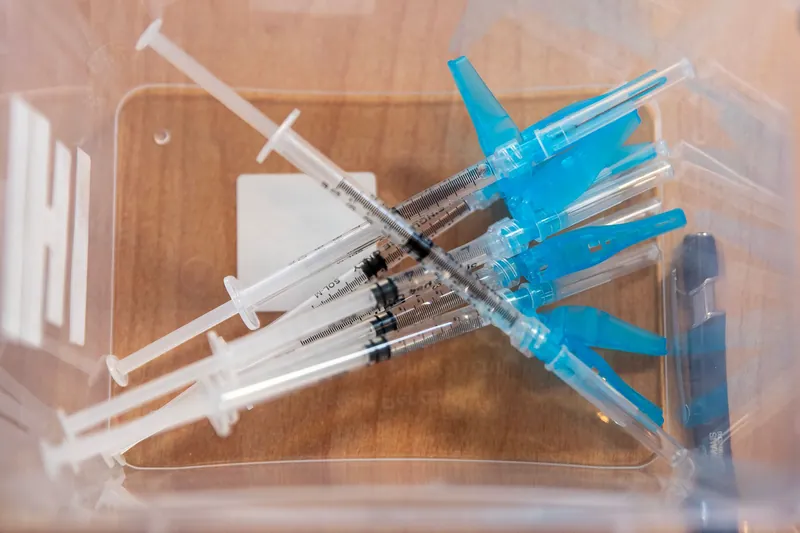
Needle and sharps cleanup for yards, rentals, parks and encampments.
See needle and sharps cleanup
Pickup and disposal of biohazard waste use containers that are sealed and labeled.
See biohazard waste disposal
Planning for industrial and commercial biohazard cleanup considers operations and access to the site.
See commercial and industrial biohazard cleanupCleaning may proceed when law enforcement or authorized facility staff verify that evidence work is finished and clear the affected area, such as the booking room or cell. Until the space is released, limit entry, do not move belongings and protect the scene as facility procedure directs. Share known transfer paths with the cleanup team.
EPA registration should cover the target organism, and the product must be appropriate for the material being treated. First, cleaning removes soil you can see. The treated surface must stay wet with disinfectant for all of the label's stated contact time. Product choice also needs to account for ventilation, surface compatibility and facility restrictions.
Cleaning may be possible for an undamaged, non-porous mattress cover when the affected material did not penetrate the sealed surface. Fluid-soaked absorbent material or a torn mattress may have to be removed. The item is evaluated by its material and condition, plus the ability to reach, clean and disinfect each affected surface.
An assessment of the released space establishes the cleanup timing. Several cells with affected bedding, wall materials, sharp objects or odor take a different process than one hard-surface area. The available work period may also change based on secure entry, escort requirements and waste transport. For a broad cleanup, the scope may be completed in stages while unaffected areas continue operating.
Published guides do not list a jail-specific cost range. General biohazard cleanup guides range from $1,800 to $4,500 for a residential average and $3,000 to $5,000 for a typical national range. Use those amounts only as general context. Pricing for your project is based on the assessed space, material types, waste, security arrangements and odor treatment.
Cleanup services can include assessment, containment, sharps collection, removal of contaminated porous materials, cleaning, disinfection, odor removal and waste disposal. Your exact scope is based on which hazards are present, including blood, bodily fluids, fecal waste or needles, and whether contamination reached fixtures, joints or surrounding secure spaces.
Respectful, discreet jail and holding cell cleanup is available 24 hours a day, and crews arrive in unmarked vehicles.